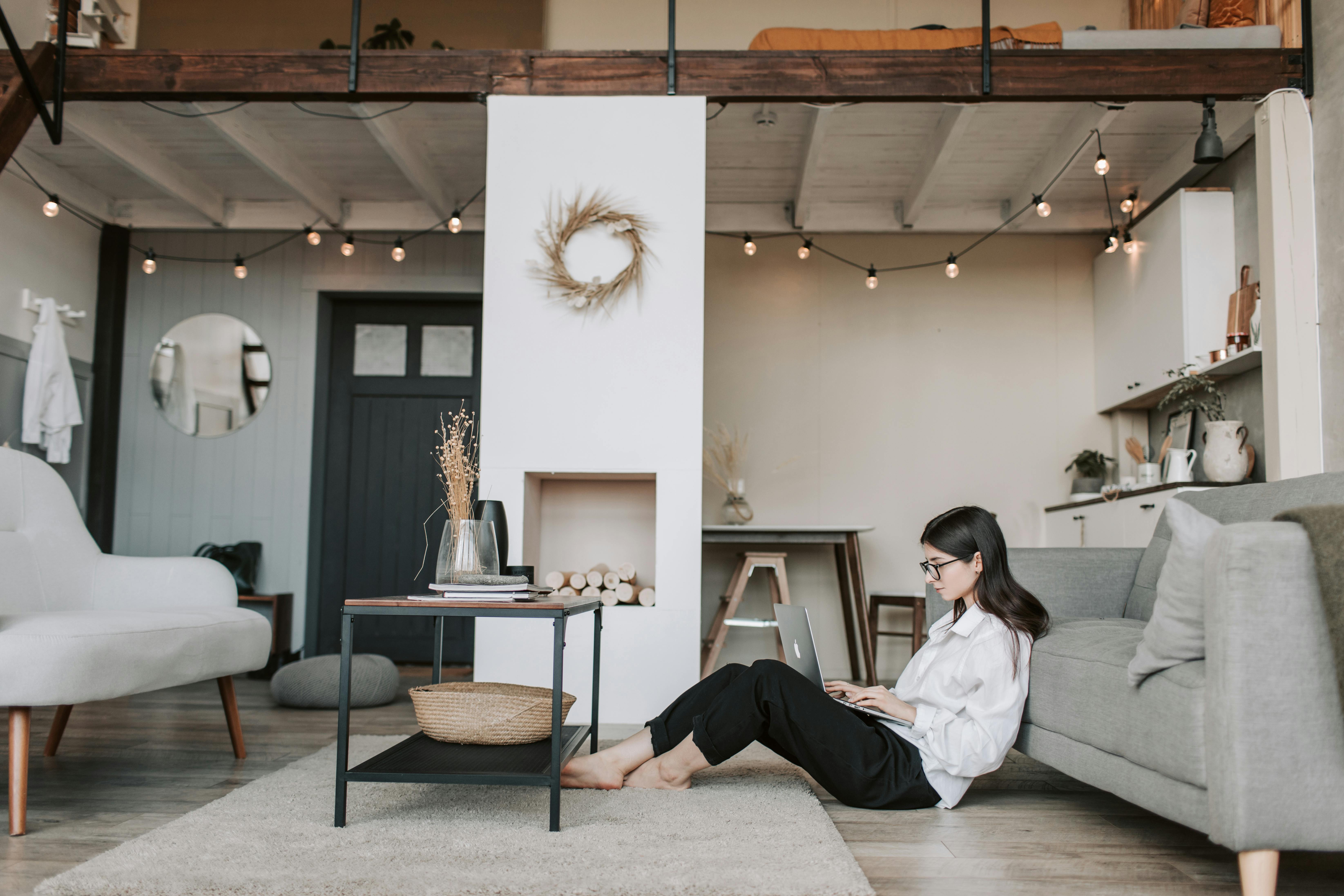
The Rise of the Multi-Purpose Home: Why Buyers Want Flexibility Again
For years, we talked about homes in simple terms — number of bedrooms, square footage, lot size, and school district. Those things still matter. They always will.
But what I’m seeing now is something deeper.
People are no longer just asking, “How big is the house?” They’re asking, “How adaptable is it?”
The way we live has changed. Work has evolved. Family structures have shifted. Health, hobbies, side businesses, caregiving, and even income streams look different from what they did five years ago. As a result, buyers are evaluating homes through a new lens: flexibility.
Not just space — but possibility.
Homes Are Being Measured by Versatility
A room labeled “Bedroom 4” doesn’t automatically make a home appealing anymore. Buyers are asking:
Could this be a home office with privacy?
Could this space support a small business?
Could we convert this into a gym or creative studio?
If an aging parent needed to move in, would it work?
If a college graduate returned home temporarily, would we have room?
The multi-purpose home has become the quiet priority.
Flexibility is the new luxury.
It’s not about excess square footage. It’s about smart design and usable space. A dining room that can transition into a workspace. A finished basement that can serve as a guest suite. A detached garage that could become a workshop or income-producing rental space.
Buyers are thinking five to ten years ahead — not just about today.
Remote Work Didn’t Disappear — It Matured
While some companies returned to the office, many careers now operate in hybrid or flexible formats. That means people want a home that supports productivity without sacrificing comfort.
A true home office isn’t a folding table in the corner of a bedroom. It’s natural light. It’s quiet. It’s a separation from the main living space. It’s professional enough for video calls and focused enough for deep work.
That expectation is here to stay.
And when a home provides that flexibility, it becomes more valuable — not just emotionally, but financially.
Adaptability Impacts Resale Value
When I help clients evaluate a property, we’re not just looking at how it fits their current life. We’re looking at how it might fit the next owner’s life.
Homes that offer adaptable layouts tend to appeal to a broader audience. That wider appeal can mean:
Stronger resale demand
Shorter days on market
Greater pricing stability over time
Buyers want options. Sellers benefit when their home offers them.
For example, a first-floor room with a nearby full bath could appeal to multi-generational households. A home with a separate entrance or bonus suite might attract someone looking for rental flexibility. An unfinished space with clear potential can be a selling point when properly positioned.
Versatility creates opportunity.
How to Shop for Flexibility
If you’re considering a move — whether soon or years down the road — here are the kinds of questions I encourage buyers to ask:
Can this layout evolve with our family?
Is there space that could shift functions if needed?
Would this home still serve us if work arrangements change?
Does it provide privacy where we may need it later?
Is there potential for additional income if circumstances require it?
These are strategic questions, not just aesthetic ones.
And they matter.
Sellers: Highlight What Your Home Can Become
If you’re selling, this shift is equally important.
It’s not just about staging a home beautifully — it’s about helping buyers see what the space could be.
That spare room? Stage it as an office.
That loft? Show it as a learning area or creative space.
That detached building? Present it as a workshop, studio, or future guest suite.
When buyers see a possibility, they engage emotionally. When they see adaptability, they think logically. The strongest marketing speaks to both.
Thinking Beyond Today
The multi-purpose home isn’t a trend. It’s a response to reality.
Life changes. Careers shift. Families grow and contract. Health needs evolve. Income streams diversify.
A home that supports flexibility reduces stress. It creates breathing room. It allows you to respond to change instead of being limited by it.
If you’ve been wondering whether your current home still supports where you’re headed — or if you’re quietly thinking about what might work better long term — I’d be happy to walk through that with you.
Not from a place of urgency. From a place of clarity.
Sometimes the right move isn’t about moving at all. It’s about understanding your options and planning wisely for the next five to ten years.
And that’s a conversation worth having.


